About the project
Text revised · Revision history
About Robeson
Paul Robeson’s life and the educational ambition behind a Newton Prep initiative.
On this page
Robeson, a Newton Prep initiative, advances the principle that all Texas students should have an equal opportunity to participate in University Interscholastic League (UIL) activities, whether they represent a public school, a private school, or a home-school organization. The project examines how fair eligibility rules and standards for competition can put that principle into practice.
The site also chronicles Newton Prep’s experience as a home-school organization seeking to follow UIL rules wherever practicable while lacking access to UIL membership. That experience informs the proposals published here and the questions they seek to resolve.
The initiative honors Paul Robeson (1898–1976), whose accomplishments as a scholar, artist, and athlete reflect the breadth of opportunity we want for students. His example reminds us that scholarship, the arts, and athletics each enrich an education, and that students should have opportunities to excel in all three.
The discussion paper on UIL access explains the policy questions and the work we propose to undertake.
Paul Robeson, 1898–1976
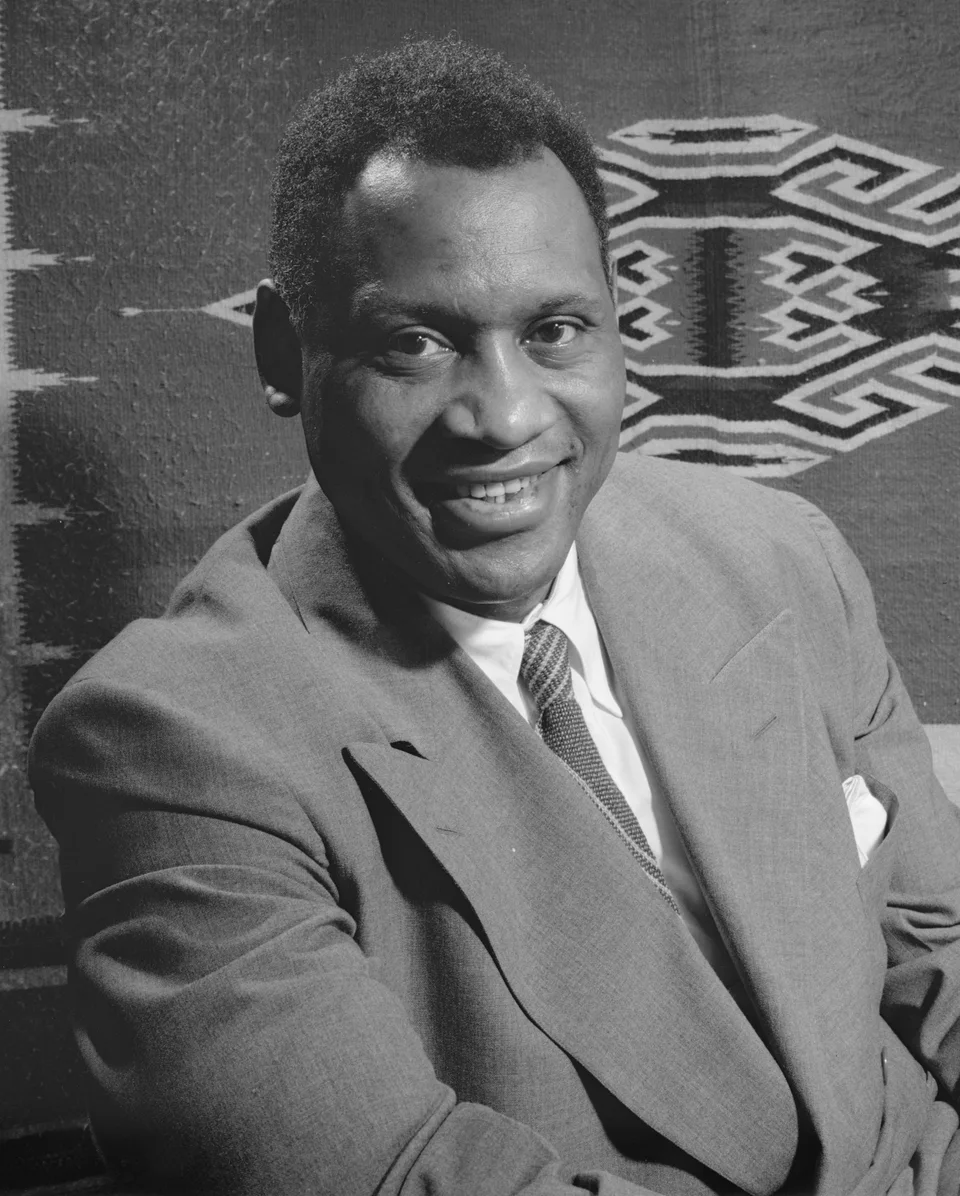

Paul Robeson brought extraordinary ability to the classroom, the playing field, and the stage. His life also exposed the barriers that could confront a gifted Black American, even at the height of international recognition. He used his voice and standing to seek greater freedom and opportunity for others.
High school
At Somerville High School in New Jersey, Robeson excelled in his classes and competed in football, basketball, baseball, and track and field. He sang in the glee club, acted in school productions, joined the debate team, and served as an editor of the school newspaper. During his senior year, he won an academic scholarship to Rutgers through a competitive examination. Rutgers’ account of his youth traces these interests to his school years.
Scholar and athlete
Robeson entered Rutgers on an academic scholarship. He earned fifteen varsity letters in football, basketball, baseball, and track, was twice named an All-American in football, and graduated as class valedictorian in 1919. He belonged to Phi Beta Kappa and developed his skills in debate and public speaking. He later earned a law degree from Columbia. Rutgers’ biographical account describes the remarkable range of his education and accomplishments.
His father, a minister, had trained him in public speaking from childhood. At Rutgers, Robeson won the university’s oratorical competition in each of his four years. He also tutored fellow students in Latin and Greek. Rutgers’ account of his college years shows how scholarship, performance, and athletics developed together.
Those accomplishments did not protect him from racial exclusion. In 1916, Washington and Lee threatened to withdraw from a game if Robeson played, and Rutgers kept him off the field. James Carr, Rutgers’ first Black graduate, protested the decision in a letter to the university. Rutgers recounts the episode as part of its history of Robeson’s football career.
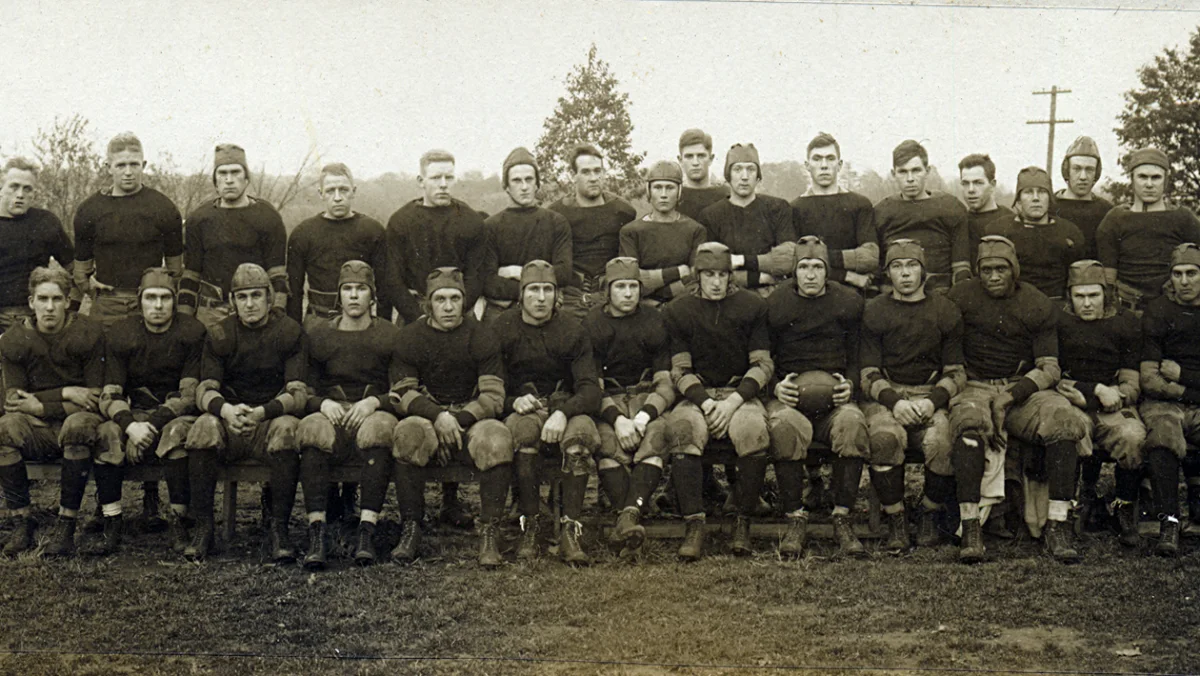
Robeson also played professional football, joining the Akron Pros in 1921 and the Milwaukee Badgers in 1922. Akron had won the league’s first championship in 1920, the year before he joined. The Pro Football Hall of Fame records his playing years and Akron’s championship.
Scholarship and competition were both part of his education. That breadth matters to this project. A student’s interests may extend from a science contest to the theatre, from debate to the playing field. We want students to have room to discover those interests and the opportunity to pursue them seriously.
A life in performance
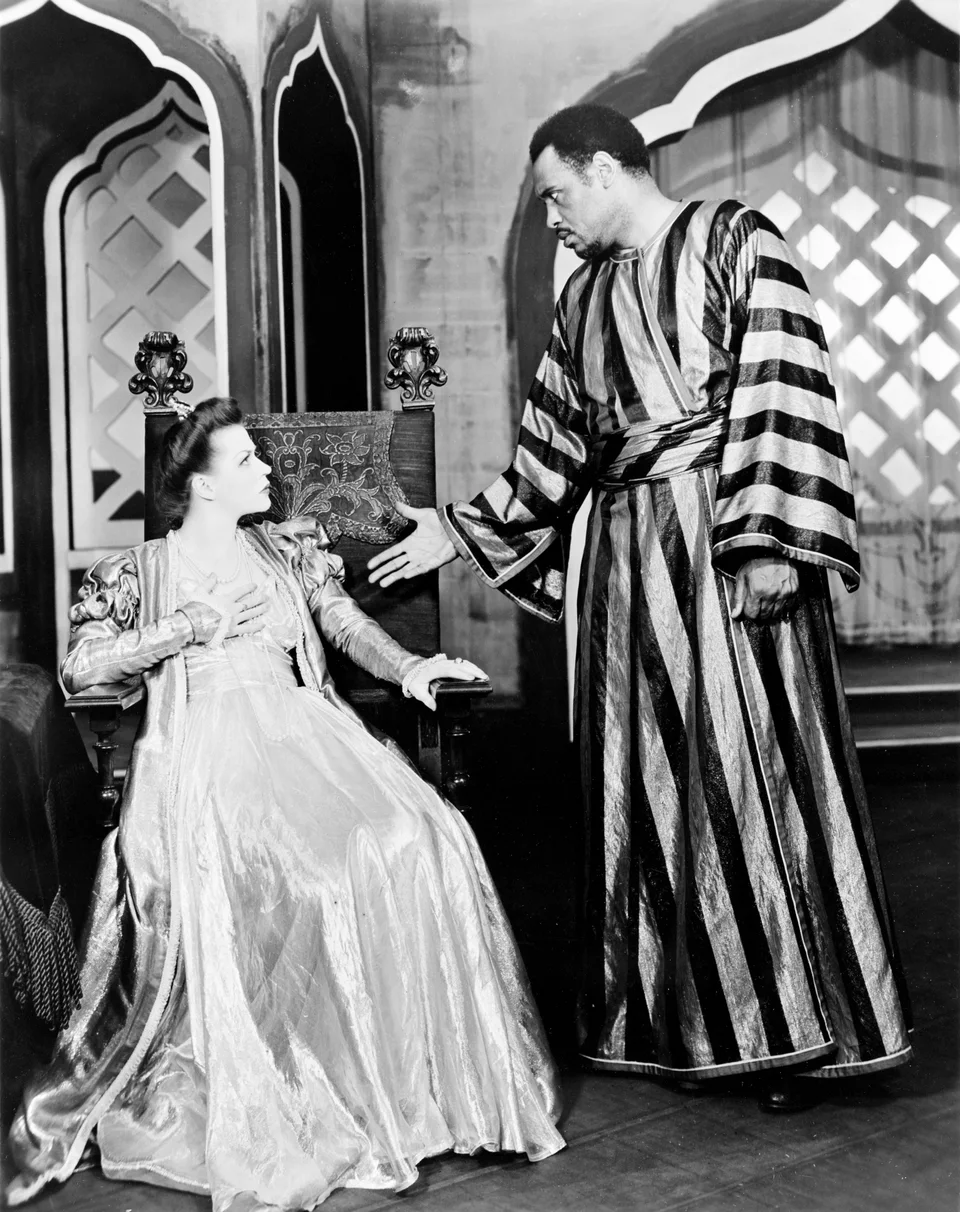
Robeson became an internationally acclaimed singer and actor. His performances included Shakespeare’s Othello, Eugene O’Neill’s The Emperor Jones, and Show Boat, with which his singing of “Ol’ Man River” became closely associated. His work carried him across the worlds of theatre, film, and the concert hall. The National Park Service’s account places that career alongside his growing public commitments.

Equality and public life
Robeson used his prominence to oppose racial discrimination, support workers, and advocate for people seeking independence. His political commitments included support for the Soviet Union, which made him a controversial figure during the Cold War. He faced canceled engagements, threats, and violence surrounding his concerts. The State Department revoked his passport in 1950; he regained it in 1958. The National Archives’ account documents his public work and the restrictions imposed on his career.
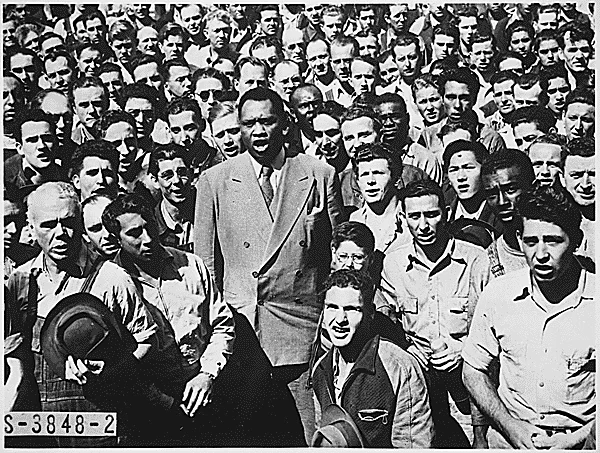
His accomplishments and his insistence on human dignity give the Robeson name its meaning here. We draw inspiration from the breadth of his abilities and his conviction that opportunity should be open to people whose talents might otherwise be overlooked or excluded.
Newton Prep and this project
Newton Prep brings its own experience as a home-school organization to the work published here. Through Robeson, we hope to develop useful standards, document practical experience, and invite informed discussion about access to interscholastic competition in Texas.
Our immediate work concerns academic, artistic, and athletic opportunities for home-school students. Robeson’s example keeps the educational purpose in view: students should have the chance to develop their abilities, test themselves, and contribute to the life around them.
Explore the discussion paper and the proposed interscholastic standard.